
Teaching People to Carve (and What’s Next)
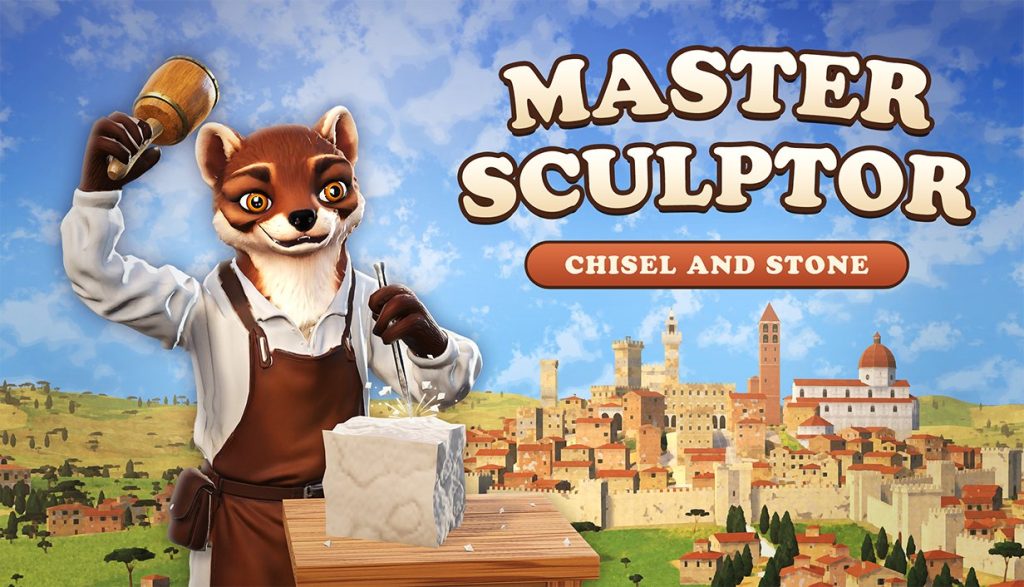
The tutorial gets its first full play-through (Matteo fainted), ten versions of the Steam capsule art, and the news: a Steam page next month, a demo in February and release in April 2027.
The tutorial gets its first full play-through (Matteo fainted), ten versions of the Steam capsule art, and the news: a Steam page next month, a demo in February and release in April 2027.
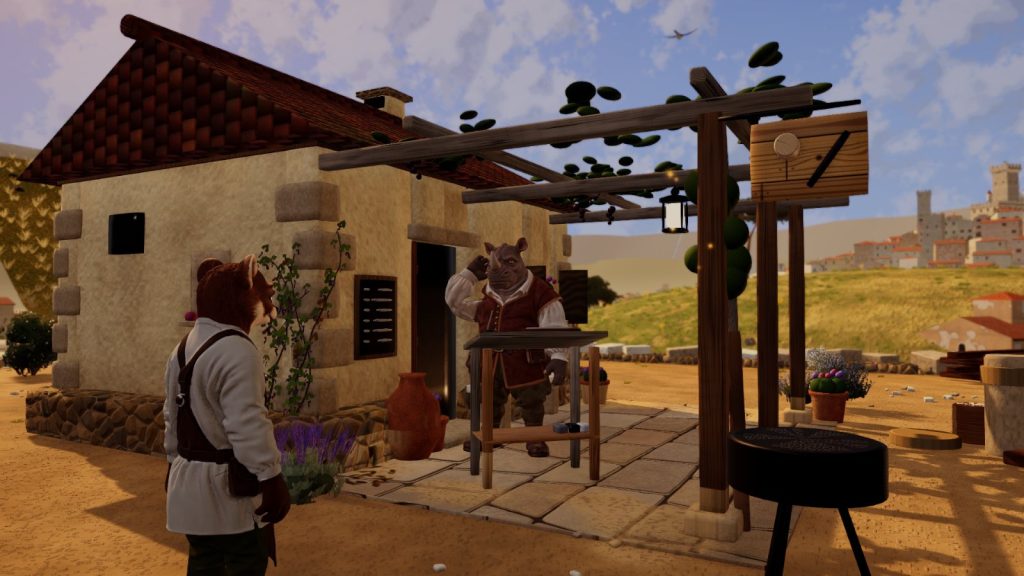
The town’s shopkeepers have finally moved in: Mastro Sandro at the stone yard, Bruno at the forge and Signora Bettina behind the Emporio counter. Goodbye, grey placeholders.
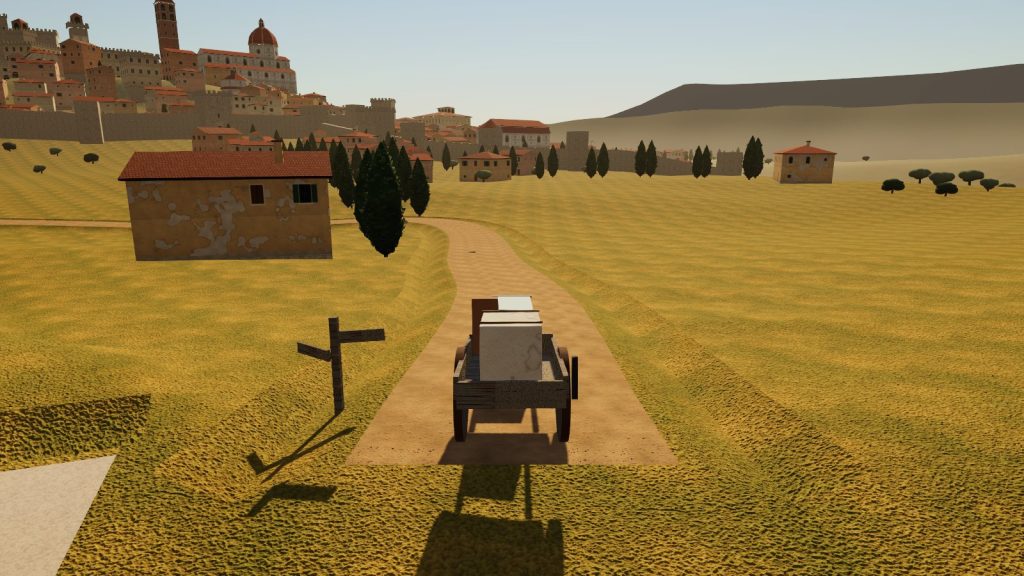
Buying a few tonnes of marble turns out to be the easy part. Now you have to drive it home on an ox cart, down a road that once looked like a beach.
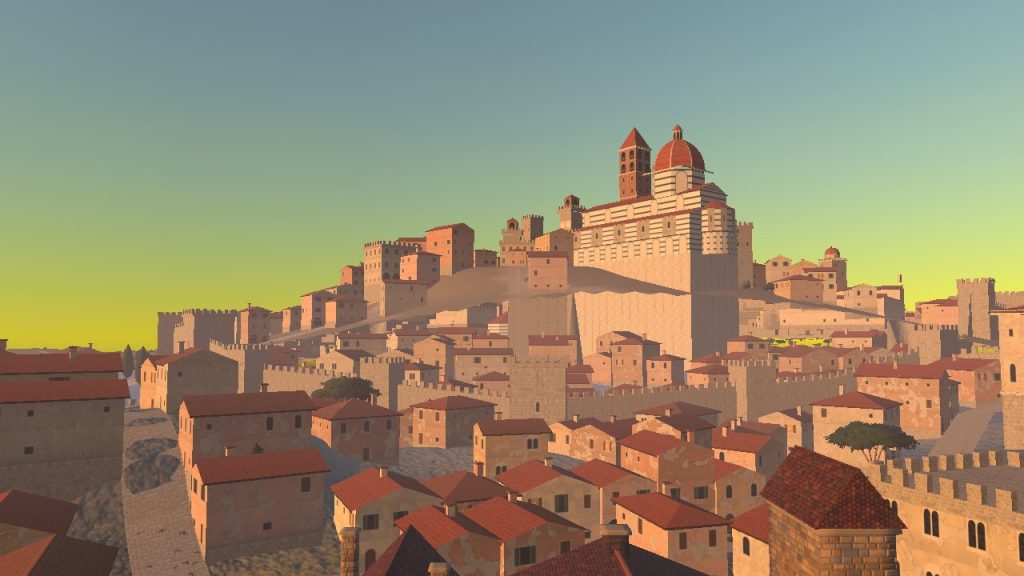
The town finally has a name and a shape: Collemarmo, a hill town with a river, a bridge lined with shops, a marble map of it all, and a forge where you can sharpen your own chisels.

Matteo has gone from a placeholder block to an otter who wipes his hands on his apron, fiddles with his beanie and stops work to pet the cat. Also: the eyes. Always the eyes.
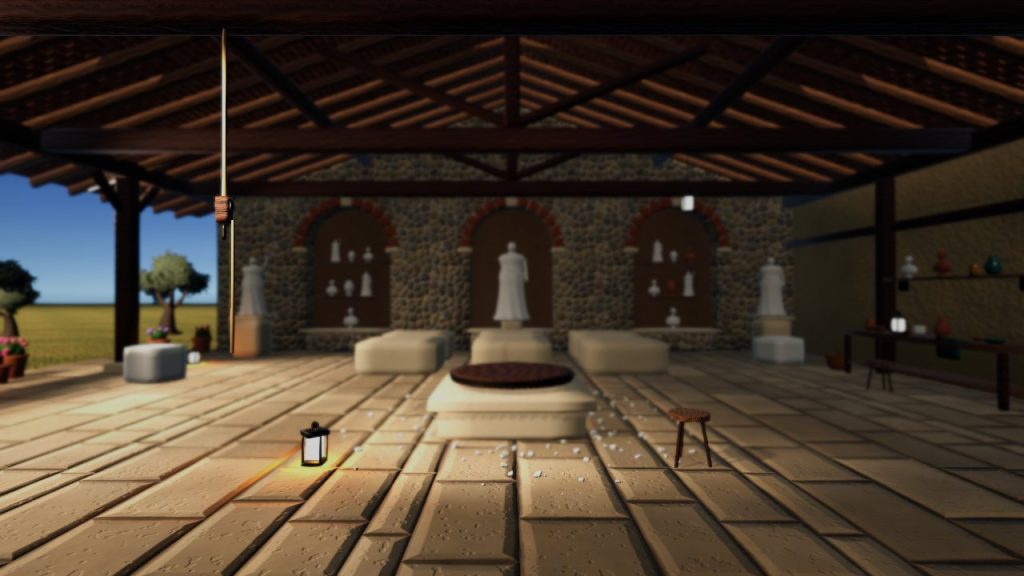
We finally sat down and played it like a stranger would. The verdict: lovely engineering, not much game, and about as cosy as a Rembrandt. So we changed course.
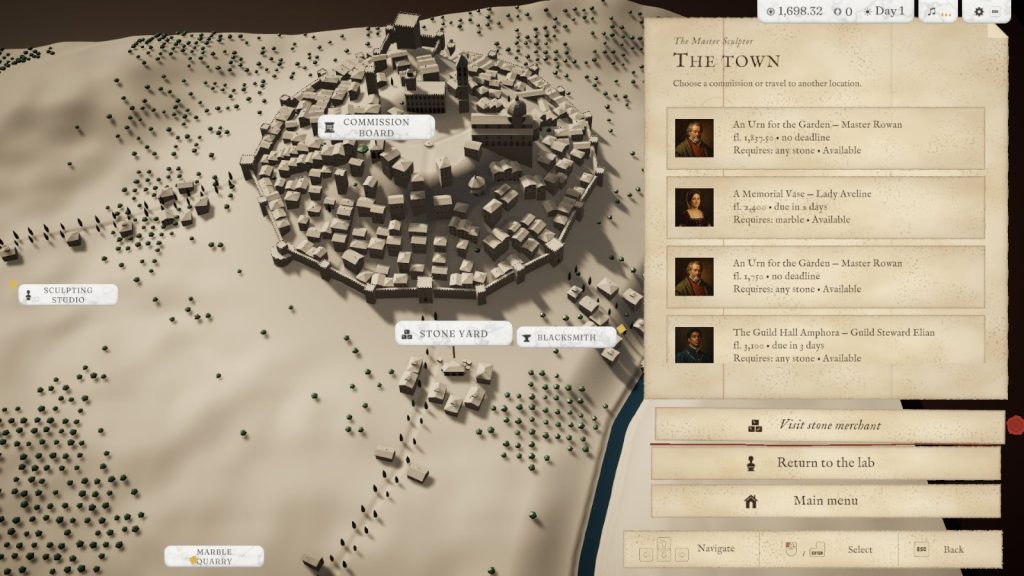
Thirty-three commissions, one enormous spreadsheet, a farmer and his turnip, and the honest truth about how many of them you can actually play yet.
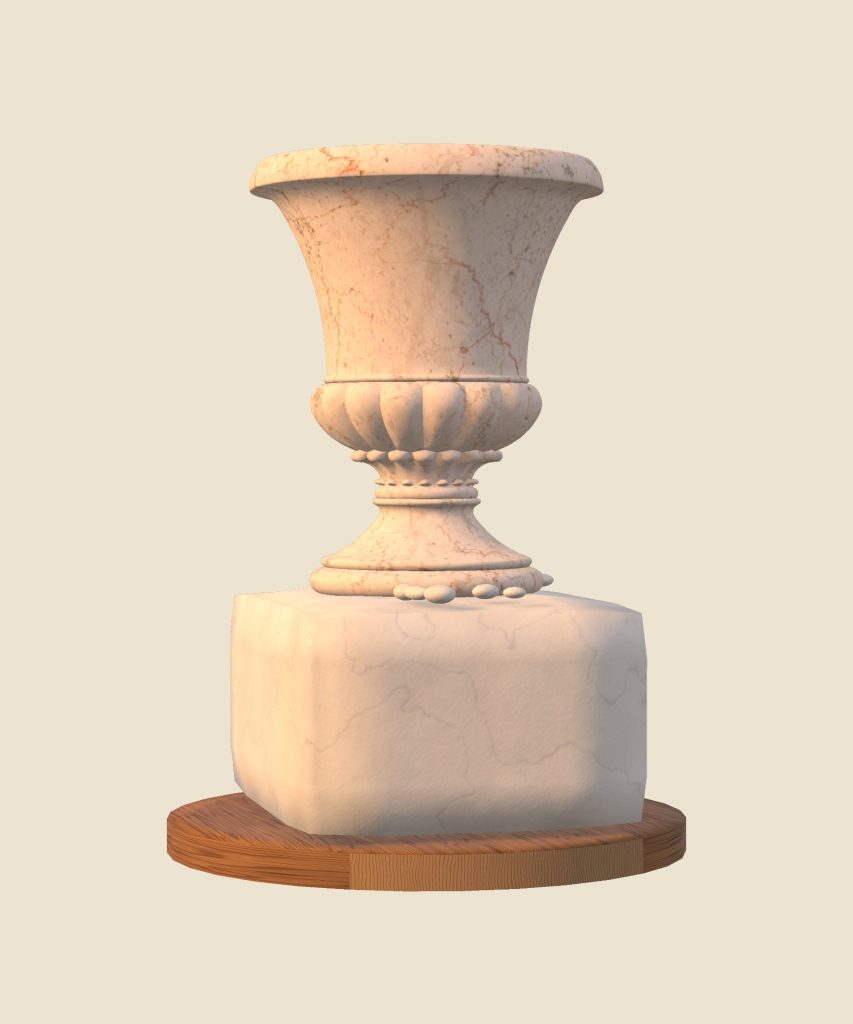
A slightly late one, thanks to a graphics card with opinions. How the game knows what you were meant to carve, the guide colours, and a scoring system that may be a bit too strict.
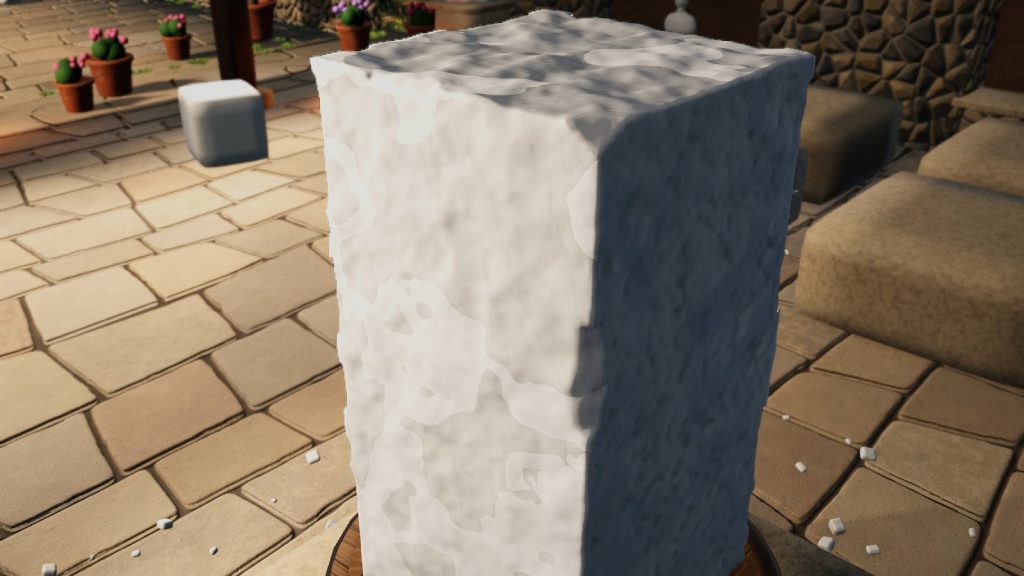
Real stone cracks, so ours does too. How chunks break away, splitting a block the old quarry way with plugs and feathers, and the big question: should you be able to ruin a piece?
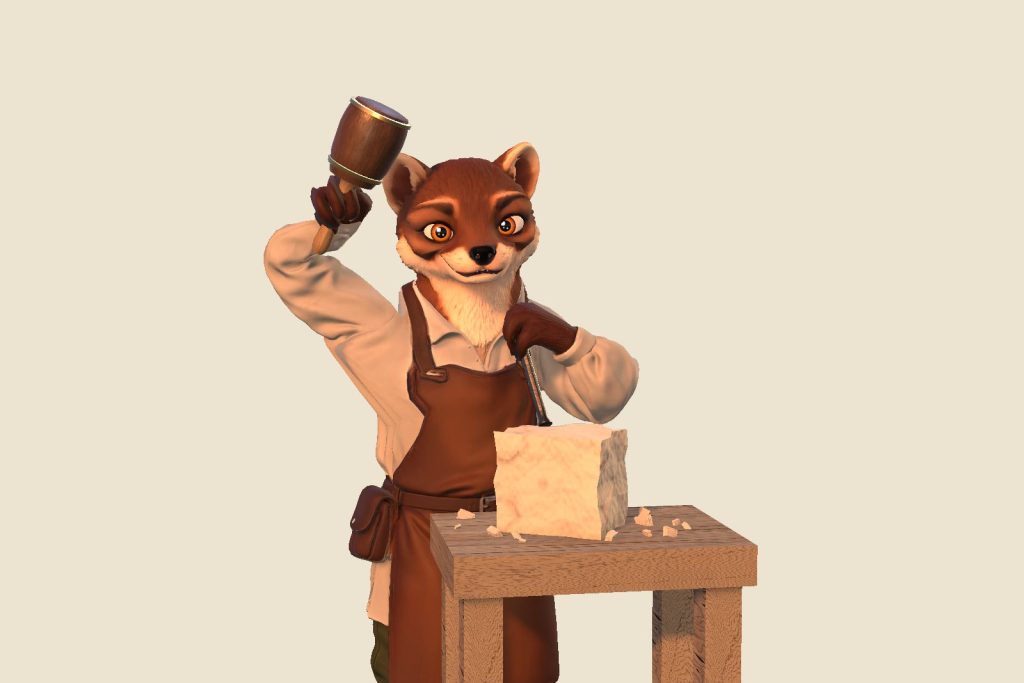
Point chisels, claw chisels, rasps, rifflers and polishing pads. Seventeen tools, how hard and at what angle you hit, and why polishing is weirdly satisfying.